
ARTICLE CONTENTS
Design is extremely important in regard to pretty much everything. From fashion to cars, computer hardware to software, you can never escape good or bad design. Sometimes, the sheer popularity of a product will cause others to copy what they perceive to be worth imitating, despite the inevitable sneers from consumers and competitors alike. Such is the case with the Elephone S7, a pretty unashamed clone of the well-known Galaxy S7 Edge. But what if the copycat is actually halfway decent?
The Ele S7 holds up as a capable device. The hardware is pretty good and it runs an almost stock version of Android, which is a nice change of pace from what we usually see with Chinese phones. There are a few quirks that can make the phone a frustration at times, but it still pulls ahead of some other devices I have tried in the past.
Design and display
For fear of repeating myself, I will try to refrain from mentioning certain similarities. Instead, let's put that comparison aside and focus on how this device feels in the hand. The 5.5" curved glass display coupled with the shiny, metallic build material gives the front of the phone a rather stunning appearance. Just below the screen, you will find the fingerprint sensor that doubles as a home button.
You will not, however, find capacitive keys on this device. Instead, you either have the sane option of opting for softkeys — or Elephone's insane navigation model using taps and presses of that single button (more on that later).

The sensor itself is accurate, but slow. It is not in the same ballpark as what you will find on the OnePlus 3 or Pixels since it takes over a second to wake and unlock the phone. It does its job, though, and I have not had to retrain it in my usage thus far. It also responds quickly in the OS for unlocking apps like PayPal and USAA. The button itself feels nice when clicked, providing a solid, tactile feedback without feeling plasticky or hollow.
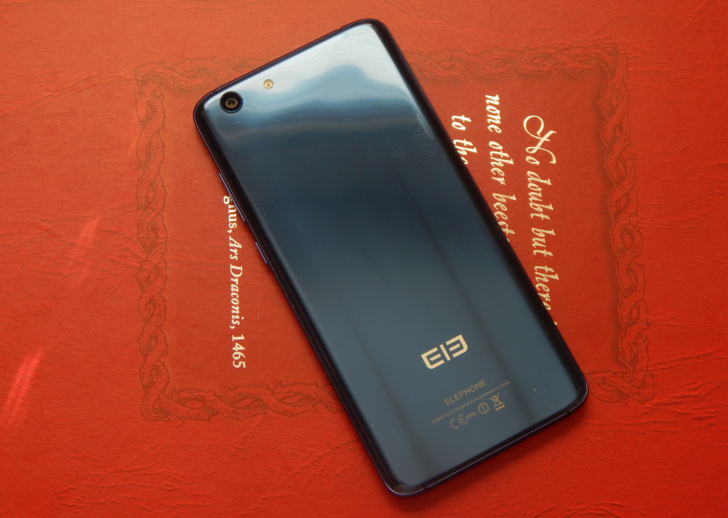
Flipping over the phone, you will see lots and lots of shiny... and fingerprints, scuffs, and scratches. I was sent the blue version, which bears a rich, sapphire color that is very pleasant to look at. The 13MP camera and single-LED flash hug the top left corner, leaving the back of the phone blank all the way down to the Elephone logo.

As beautiful as the shiny is, it is highly susceptible to oily smudges from my hands. Worse than that is how beat up it got in my time with it. After only two days of use, I saw heavy signs of wear. I am not overly gentle with my toys, but nor am I abusive toward them. If you were to see the state of this phone, you might think otherwise.

Moving along, the anodized frame is the only place you will find metal on the exterior. On the top is the 3.5mm headphone jack and two of the antennae lines. The right side has the power button and volume rocker and the left has the dual-SIM/microSD card tray. Finally, the bottom houses the micro-USB port, dual speaker grilles, and the other antennae lines.
Much like the home button/fingerprint sensor, the power button provides a nice, tactile response upon clicking. There is also a nice resistance to prevent accidental pressing. On the other hand, the volume rocker feels loose and cheap. The bottom-mounted speaker produces decent sound, for what that is worth. The choice of micro-USB port is slightly annoying, especially since it is now one of the few devices in my house that uses that standard.
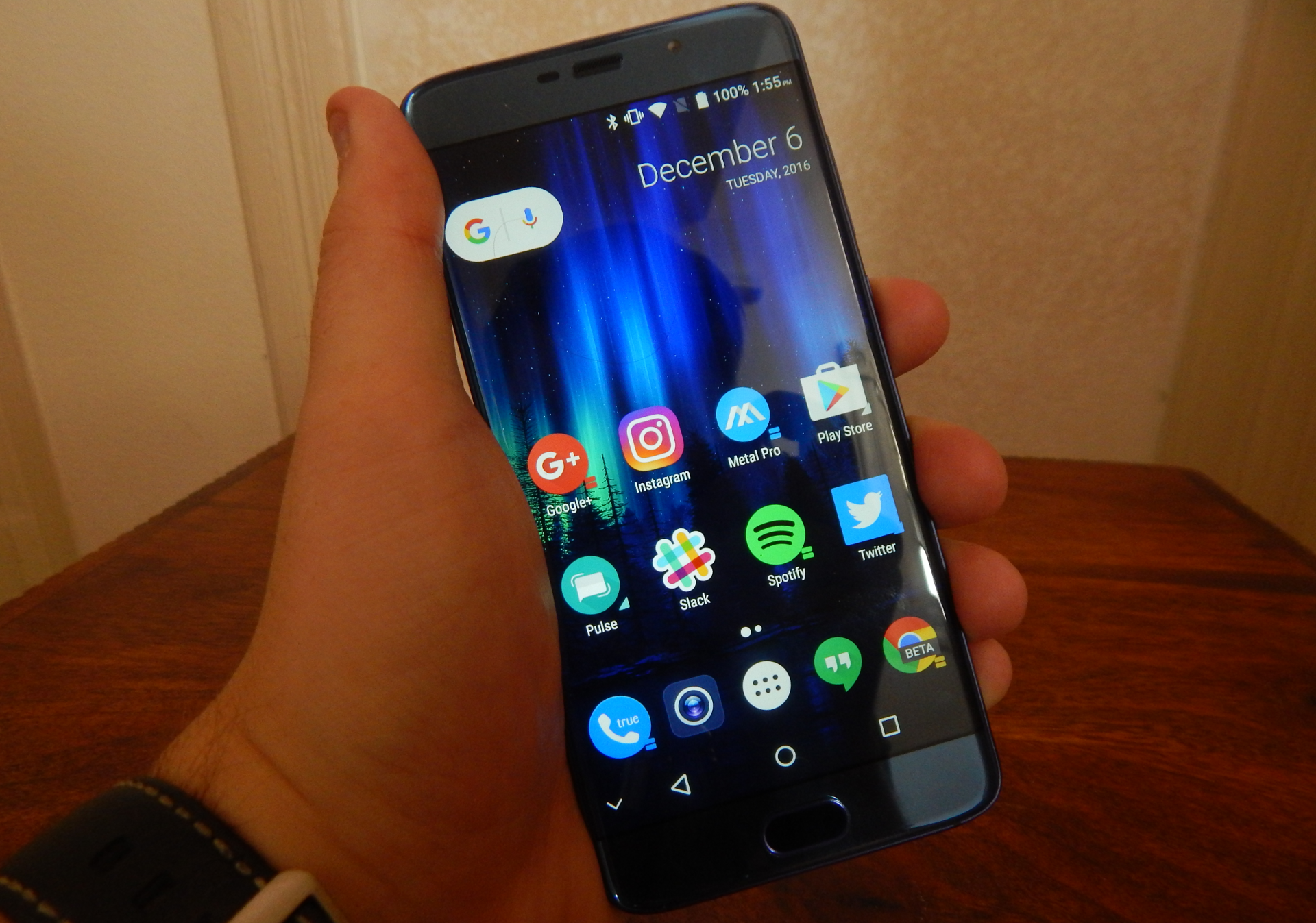
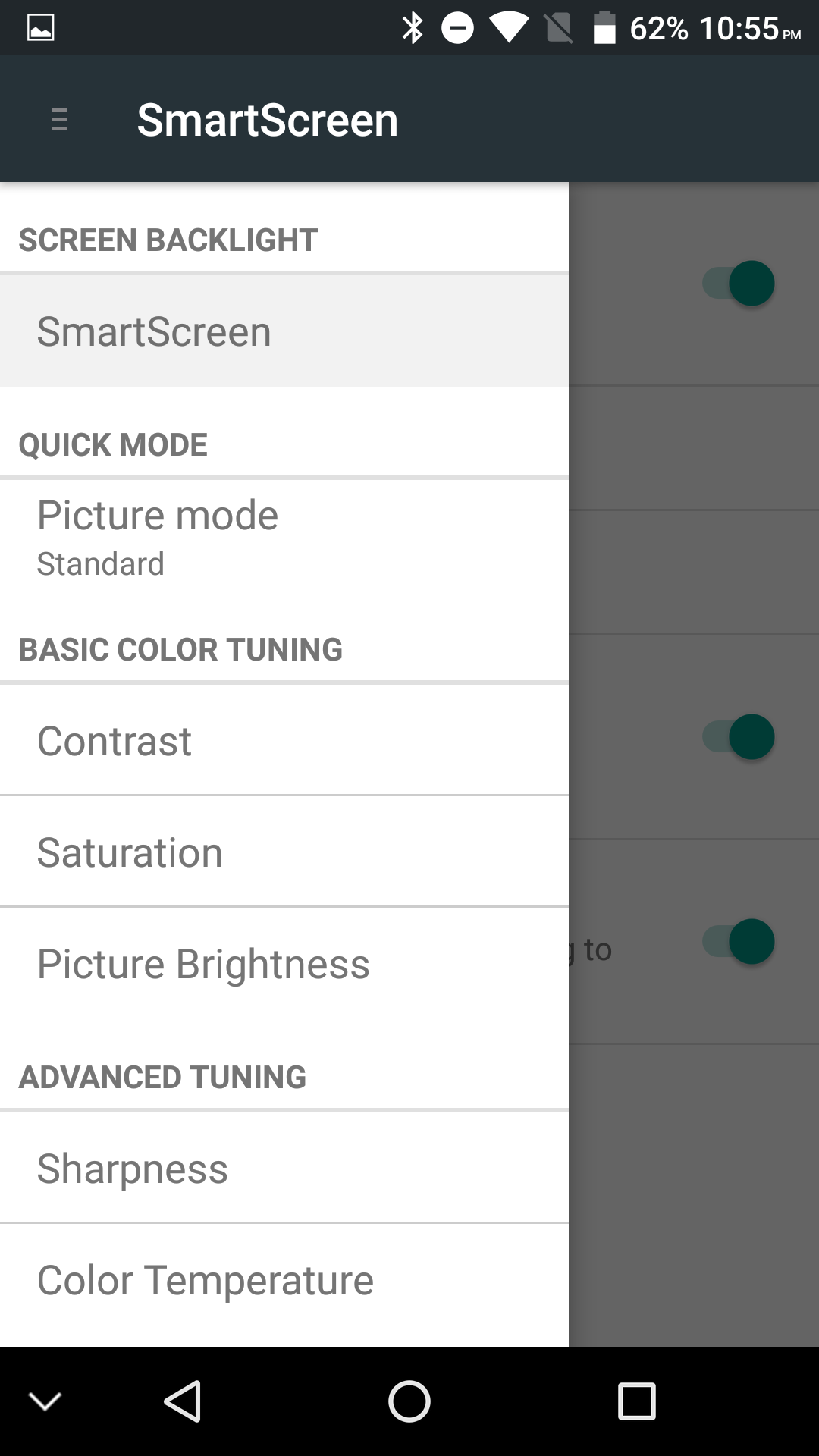
1080p LCD is the name of the game for the display. It is nothing special, but it performs quite well for reading text or watching a quick YouTube video. It's crisp and has good viewing angles. Elephone has included a lot of MediaTek's display calibrations, so the colors can be as cool or as warm as you want. A blue light filter is also bundled in, but to access it you will need to dig through the settings.
The lack of side bezels took some getting used to. While I am not generally a fan of curved displays, I can see why they are appealing to some people. One thing I do like is how it makes the phone feel much smaller than it is — I had to double-check to make sure that I had been sent the 5.5" model (there is a mini version available with a smaller screen and lower specs). Jumping ahead real quick, the software does have adjustments to reduce accidental touches.
Camera








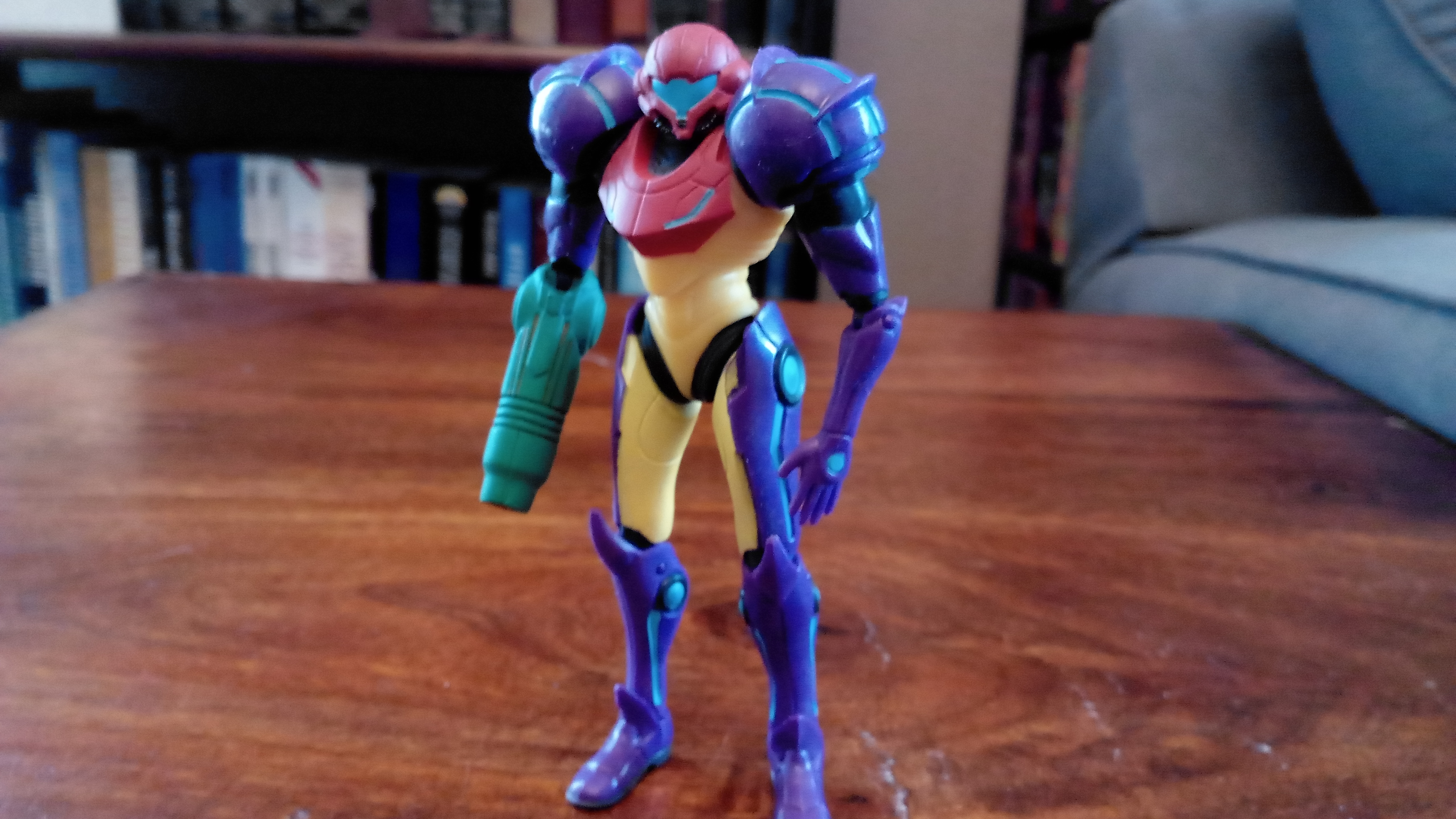


As for the 13MP camera, it's mediocre. The biggest problem is the shutter lag. Even with the app not supporting any effects or anything, it takes over a second after hitting the shutter button to actually capture a photo. In the time I need to snap a picture, I can take three or four on my OnePlus 3. Granted, the OnePlus 3 is all around a higher-end phone, but you get the idea.
The camera itself performs okay in outdoor lighting, especially on the clearer days. Detail is passable and color balance is reasonable. Go inside, though, and things get much more difficult. Most of the indoor photos I took were noisy and there were exposure problems (both over and under). In the photo of the optometrist's office, there was a whole lot of daylight behind me which helped some. As the sun sets, photos become grainy and very overexposed as you can see in the few night shots up above.
Honestly, this camera will do the job just fine. Pictures may not be as startling beautiful as you might see on higher-end phones, but a picture of your kid or the scenery will come out okay. The front-facing camera had some issues, though. The beauty effect (which is enabled by default) is way too strong... which, I suppose if you are getting a quick selfie for Instagram, will work.
I will end with this: the camera, although somewhat acceptable, is not the Ele S7's strong point.
Performance and battery
I will admit that I am usually a bit skeptical about MediaTek SoCs, having used some of their previous models. The Helio X20 actually offers a nice surprise for performance. The Tri-Cluster setup has two Cortex-A72 cores clocked at 2.5GHz, four Cortex-A53s clocked at 2.0GHz, and another group of A53s clocked at 1.4GHz. The latter cluster serves to handle menial, low-performance tasks for power efficiency, while the faster quad-core and fastest dual-core handle the heavier requirements.
I never found myself waiting for an app to load, nor did I have games stall out on me. I tried to really push it by hopping back and forth between various applications, but it never really bogged down. Overall, I came away pretty impressed with what the X20 could do coupled with the 4GB of RAM. As usual for the numbers people, here are some benchmarks.


Note: Geekbench 4 would not load on this phone, thus why it is absent
Gaming performance was really good. I played several rounds of Hearthstone and some other more graphically-intensive titles at their highest settings, noticing only a little bit of lag here and there. As a gamer, I definitely notice framerate drops and things of that sort more than most people. Take that as you will.
Battery life on the Ele S7 is superb. The 3,000mAh cell lasts through a typical day with ease, and even well into a second day during my testing. Heavy use left it with about 25-30% by day's end, which is fantastic. My typical usage involves frequent Hangouts, SMS, and work messaging, a few phone calls, plenty of web browsing, and a few games of Hearthstone. My screen time usually ended up in the range of five to six hours with about 60% brightness with Adaptive Brightness on. Obviously, your mileage may vary, but I use my phone pretty hard in a day.
The micro-USB port supports MediaTek's Pump Express Plus fast charging technology. The claim is that it can charge from 0-70% in thirty minutes. While I did not time it, the S7 does charge quickly.
Software
Now we get to the part where you might expect me to start tearing into this phone for its software. Well, I am happy to say that I do not feel the need to do that on such a large scale here — there are a few issues to address to be sure, but not the entire UX as a whole. The Ele S7 runs an almost stock version of Marshmallow, right down the to the AOSP apps and launcher.

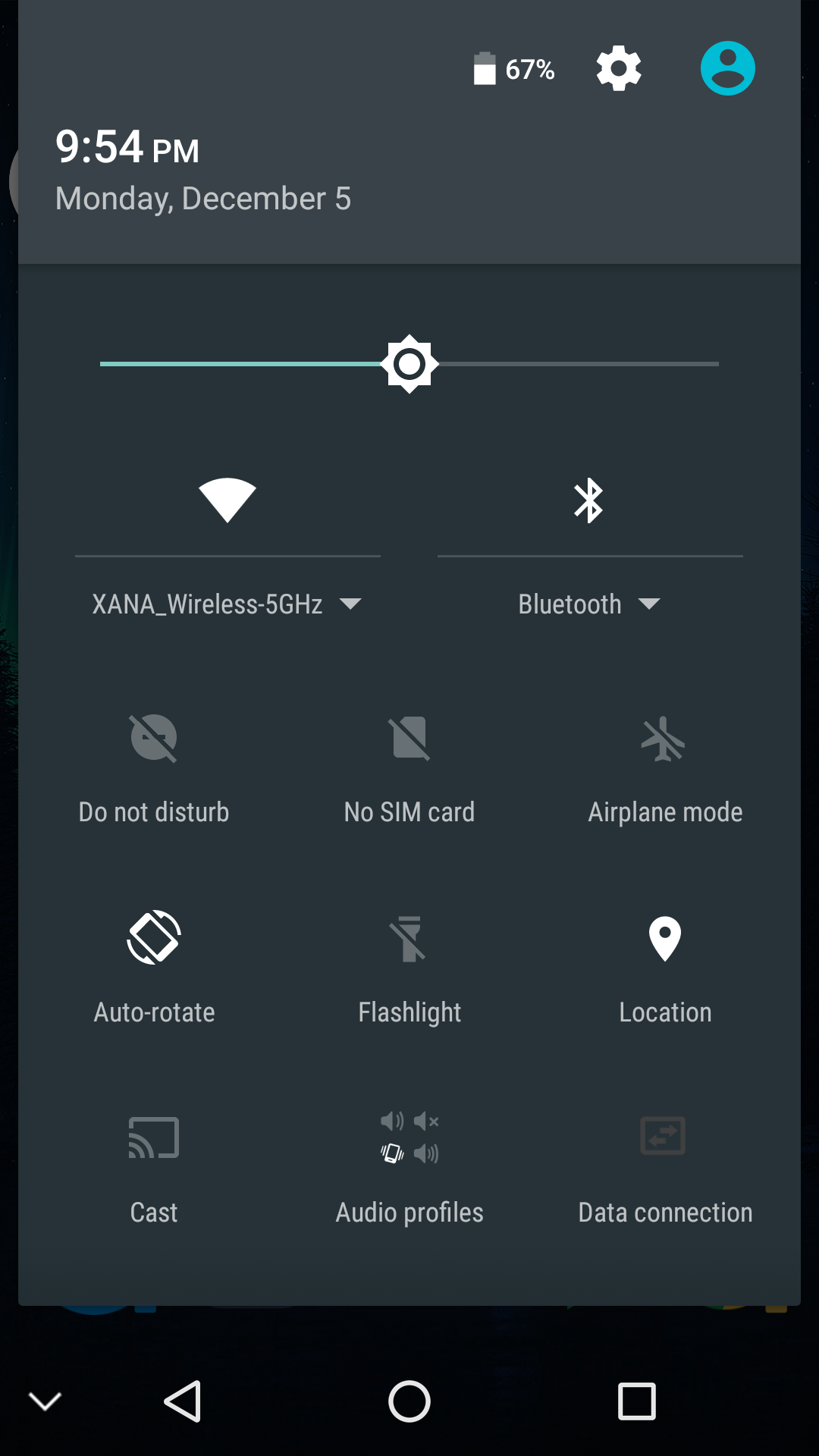
I definitely prefer stock software, as do most of us here at AP, but I am not against tweaks that make Android more useful. However, I find adjustments that make things less user-friendly to be awful. And despite the stock feel of what Elephone has done here, there are a few annoyances that don't make any sense.
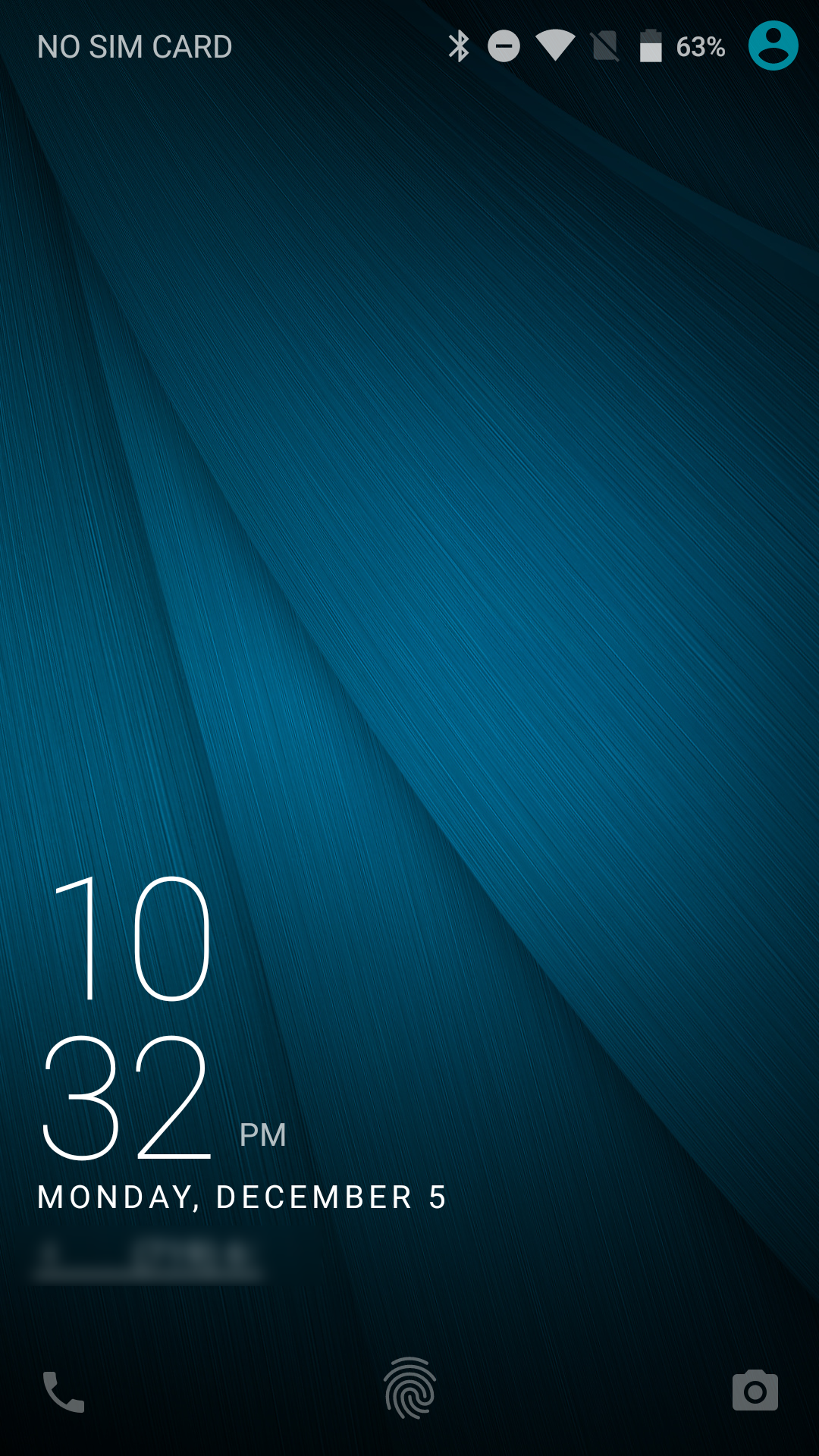
The first thing you will notice that is not a stock-like experience is the lockscreen. The clock is split between two lines and the security message you chose is left to scroll in a tiny box below it (we're talking a tiny text box here). Notifications will show up at the top of the screen and they cannot be expanded, which is just asinine.
The biggest problem is push notifications and how they are handled. The amazing battery life I talked about earlier has to come at some cost to UX, but reliable notifications should not be included in that. Doze mode is a great addition to Android, but Elephone has taken it too far. The phone goes into such a deep sleep that anything from Hangouts and Slack messages to SMS and emails do not come through unless the phone is woken, unlocked, and left to sit for a minute. Then, after the torrent of new items comes in, this cycle will repeat. It is frustrating and caused me a few problems while using the device.


On the note about the costs to save battery, Elephone has also opted to make sure that your third-party launcher and keyboard do not remain the default. By that I mean if the phone is left to Doze for any amount of time, you will unlock the phone to be greeted with the Recents screen. Pressing the home button does return you to the launcher of your choice, but this is just odd. Also, the phone will default back to the AOSP Keyboard, which forced me to manually switch back to SwiftKey each time. With 4GB of RAM, I am not entirely sure why this would happen.
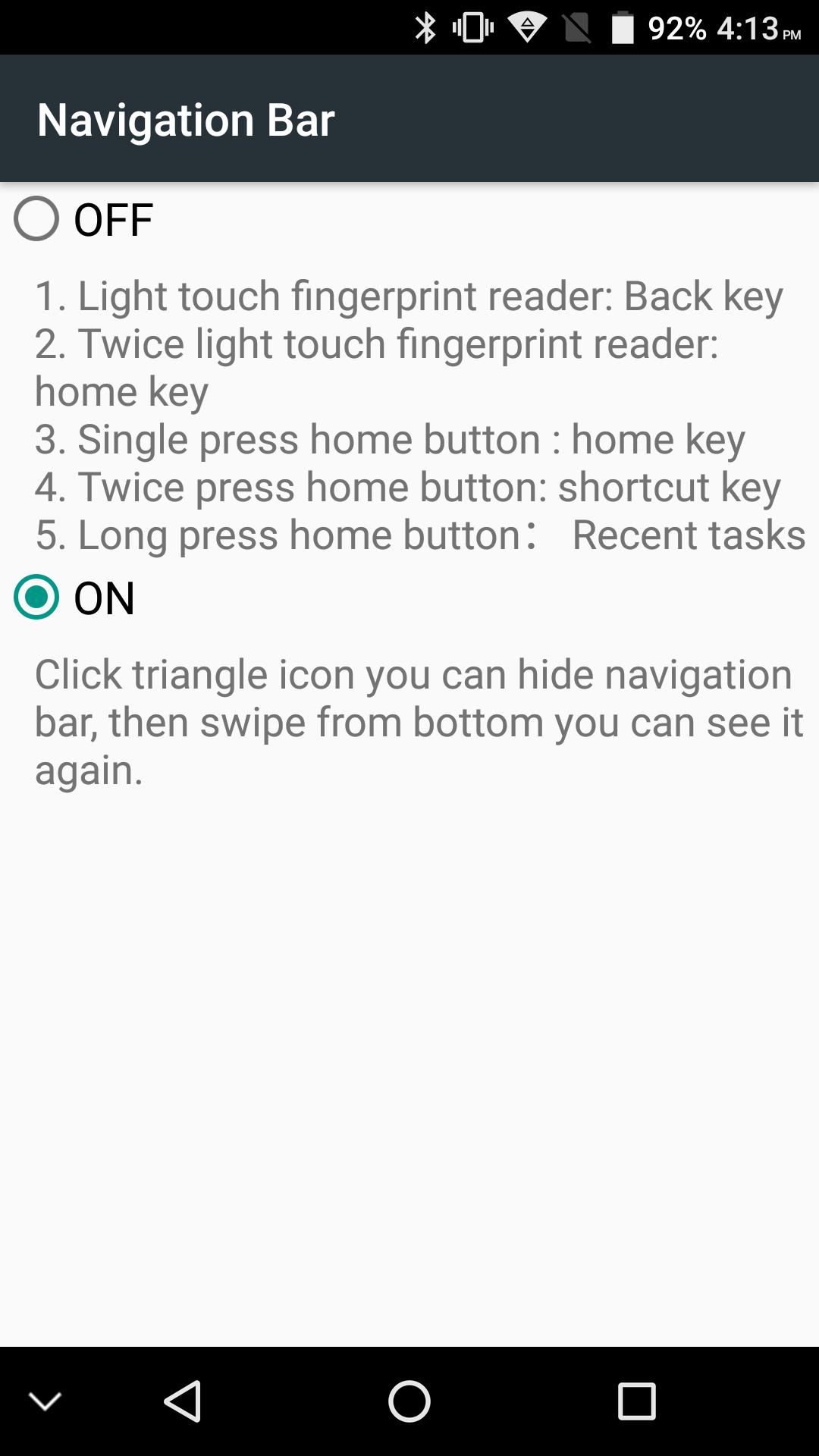
Remember the insane navigation model I mentioned earlier? Well, let's get into that because it's probably the strangest thing I have come across (note: I realize that Meizu does something similar with their phones, so it's not as uniquely odd as I initially thought). By default, the softkeys are disabled. There are no capacitive keys with only the capacitive/physical home button along the bottom bezel. So, here's how Elephone breaks it down:
- Tap: Back
- Double tap: Home
- Single press: Home
- Double press: Shortcut (configurable in Settings)
- Long press: Recents
The final pain point was Android Wear and Pebble. Simply put, it doesn't mirror notifications. I tried rebooting both watch and phone, clearing the Wear and Pebble apps data, factory resetting the watch. Nothing worked. Mind you, I tried my OG Moto 360, Watch Urbane, and the original Pebble. All three watches pair just fine, but I think this relates back to the notification issue I mentioned a bit ago. Except, this doesn't work even when the phone is awake.

All of those sound bad. Don't get me wrong, they caused a lot of frustration. I did find settings to disable "intelligent battery saving" and background task killing, both of which resolved some of those issues above. Overall, though, the software worked pretty well. Elephone did not theme things weird and they only added a few extra options to the Settings menu. Animations are really speedy and smooth and apps run well for the most part.
On a side note, Elephone released an update to this phone while I was writing this review. Aside from some bug fixes, it added in another permission system on top of the Marshmallow one. It functions much like a SuperSU prompt and it is extremely annoying. Also, the camera now force closes a lot and requires a reboot for the app to reconnect to it. Bad, Elephone, bad.
Conclusion
My opinion of Chinese phones has soured over the years for good reason. Most of them have a problem with software, either on heavy skins, notifications shenanigans, or other stupidity. While using the Elephone S7, I furrowed my brow in confusion at some of the weirdness. Most of that was caused by the "standby intelligent battery saving" mode and task killing. Disabling those fixed some problems.
The hardware is okay, but it really falls short considering that it attempts to be a Galaxy S7 Edge. Plastic replaces glass on the back and the camera takes a dip. The Ele S7 can definitely stand on its own, especially considering its ~$250 price point. The Helio X20 performs rather well, though you will not find any custom ROMs for phones running the MediaTek chips in general. That is a huge downside for some people.
The Ele S7 is not necessarily an option for the U.S. market — I did not have LTE on a T-Mobile MVNO. You can check the bands listed up above in the specs to see if this would be compatible with your carrier. 3G and calls worked great, though.
0 التعليقات :
إرسال تعليق